Zinc (Zn)
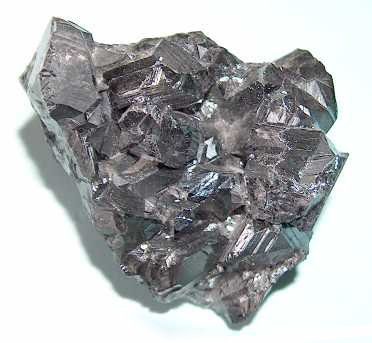
Zinc is a bluish light-gray metal in group II B of the transition metals in the periodic table, with a hexagonal close-packed crystal structure, a low melting point and a brittle nature. Its density is close to that of iron, but even after alloying elements are added it cannot be considered a particularly strong metal. Brittle at room temperature, the material becomes formable in the 100-150 °C temperature range. At higher temperatures it becomes brittle again due to changes in its crystal structure. Zinc has very high corrosion resistance, but low resistance to chemicals.
What are the main material properties of zinc?
Zinc’s place in design and industry comes less from its own strength than from the protection it lends to other metals. The metal, with the chemical symbol Zn, has a low melting point (about 420 °C), which makes it economical to melt and die cast. Its low density and easy meltability make mass production of thin, complex parts possible.
Zinc’s most critical property is its electrochemical behavior. It is more reactive than iron and steel, meaning that in a corrosive environment it reacts first. This property makes zinc a sacrificial metal: zinc coating steel protects the surrounding steel even when scratched, sacrificing itself in the process. This is called cathodic protection, and it is the foundation of zinc’s success in outdoor building materials.
How zinc is used and galvanizing
Ways zinc is used
In terms of annual consumption worldwide, zinc ranks fourth after iron, aluminum and copper. Of the world’s zinc reserves, 23% is used for coating metals to protect them from corrosion (galvanizing), while 20% is used in the production of brass, a copper-zinc alloy. In metal coating, the principle at work is that zinc corrodes itself to protect the metals it covers. Zinc’s third major field of use is die casting. In this process, molten metal is injected under pressure into a steel mold, the melt hardens rapidly inside the mold, and the mold is opened to remove the castings immediately. This process enables the rapid production of complex parts.
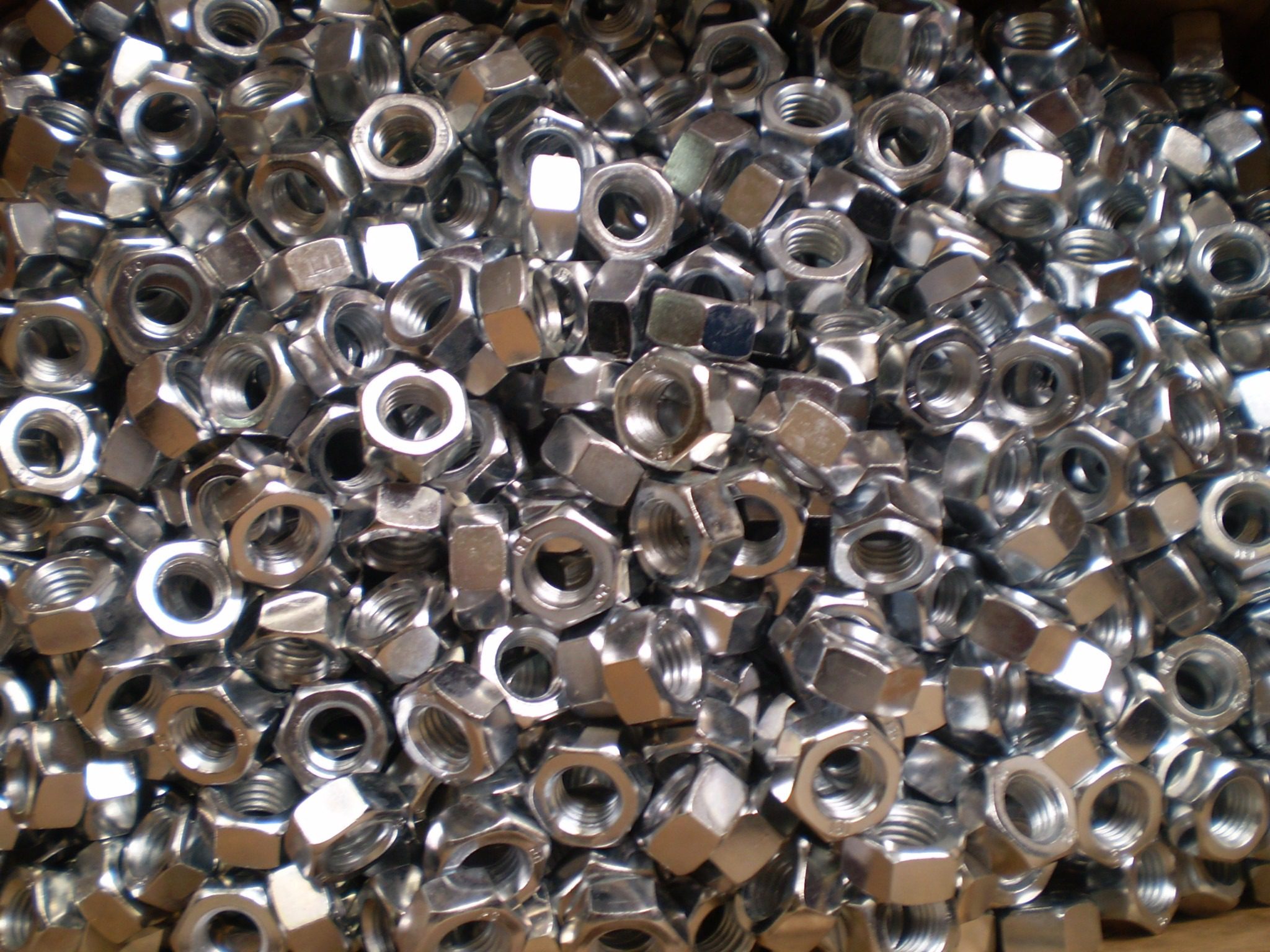
In practice, galvanizing is done by several methods. In hot-dip galvanizing, the part is immersed in a bath of molten zinc and a thick, durable coating bonds to its surface; this method is common for outdoor elements such as railings, posts and steel structures. Electrolytic galvanizing produces a thinner, smoother coating, which is preferred for sheet-metal parts where appearance matters.
Which alloys is zinc part of?
Another major role of zinc is as an alloying element. Combined with copper it forms brass; as the proportion of zinc added to copper increases, the alloy’s color shifts from yellow toward red, and properties such as hardness and workability can be tuned. Brass is used across a wide range, from musical instruments to fittings, decorative objects to mechanical parts. In addition, zinc-based casting alloys (such as zamak) are frequently used in the automotive and electronics industries for die casting finely detailed parts, thanks to their low melting point and good fluidity.
In which fields is zinc used?
Uses of zinc
Areas of use;
Automotive industry
Electric vehicles
Manufacturing machinery
Toys
Rechargeable batteries
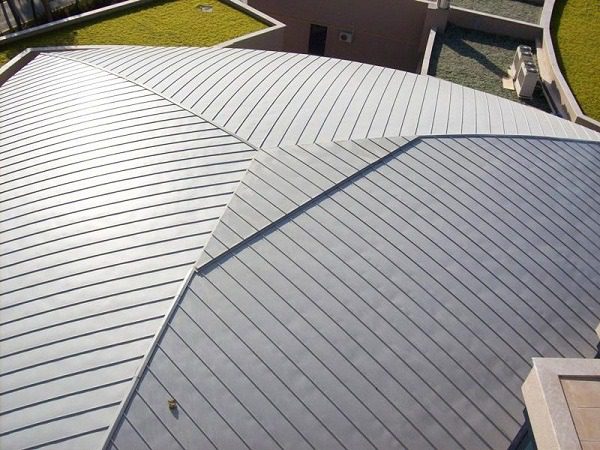
Construction industry (roofing, eaves, gutters, etc.)
Most of these uses rest on two of zinc’s abilities: protective coating and easy casting. In automotive and machinery, body sheets are protected by galvanizing, while complex small parts are cast from zinc alloys. In construction, zinc is valued for roofing, gutters and eaves as a coating metal that is both corrosion resistant and aesthetically pleasing, acquiring a natural matte gray patina over time. In batteries, zinc serves as the energy-storing electrode material. In all these roles, zinc is rarely a structural element on its own; its strength lies in its ability to protect other metals and combine with them.
http://forum.gidagundemi.com/cinko-zn-hakkinda-bilgiler-t9388.html
www.bilgiustam.com/cinko-nedir-etkileri-ve-genel-ozellikleri-nelerdir/