Chromium (Cr)
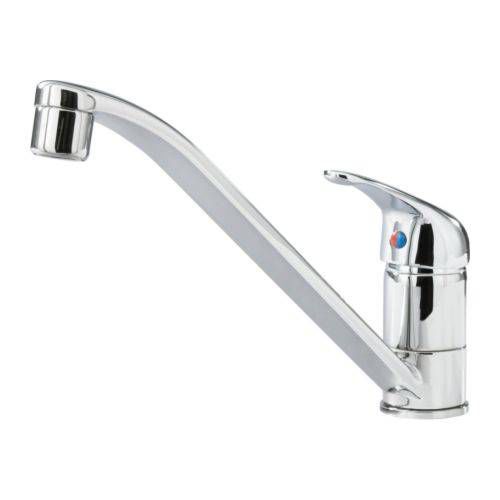
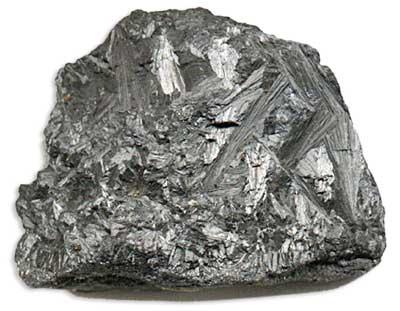
Chromium is an element found in group IV A of the periodic table, with a bright, silvery bluish white color. It does not occur in pure form in nature, but always in compounds with other elements. Hard yet brittle, chromium is highly resistant to air. It is unaffected by humid air, and therefore does not rust. Because of this property, many metals are coated with a thin layer of chromium to increase their corrosion resistance. Chrome plating can serve technical or aesthetic purposes. The technical reason for the process is that it gives chrome-plated objects a hard, corrosion-resistant surface. The most common application in this respect is the chrome plating of cylinder liners in high-speed engines such as those of racing cars. Various objects are also chrome plated simply to give them an attractive, bright appearance; car bumpers and trim strips are examples. Beyond adding durability through plating, chromium is also used in alloys to harden metals. Since it gives a material strength, durability, rust resistance and brightness, the quality of a metal increases as its chromium content rises.
What makes chromium resistant to corrosion?
Chromium’s defining property is the thin oxide layer that forms instantly on its surface in open air. This chromium oxide layer is invisible to the eye and only atoms thick, yet its dense, stable structure stops oxygen and moisture from advancing into the metal. This phenomenon is called passivation. The most valuable aspect of the layer is its ability to renew itself: when the surface is scratched, the fresh chromium exposed reacts with the air again and the protective film repairs itself. Whereas the oxide layer that forms iron’s rust is loose and flakes off, offering no protection to the metal beneath, chromium’s oxide acts as a tight shield. This difference explains why chromium is indispensable both as a plating material on its own and as the fundamental component of stainless steel.
How is chrome plating done?
Chrome plating is usually applied by electroplating (galvanic plating). The part to be plated is immersed in a solution containing chromium ions, and with the help of an electric current, chromium is deposited on the part’s surface as a thin layer. In decorative chrome plating, layers of copper and nickel are usually applied first, topped with a very thin but bright layer of chromium. This layered structure provides both deep brightness and corrosion resistance at once. Hard chrome plating, by contrast, is a much thicker application used where wear and friction are intense. Here the goal is not appearance but extending the mechanical life of the surface.
What is the difference between decorative chrome and hard chrome?
Although the two plating types use the same metal, they serve different purposes. Decorative chrome is thin and eye-catching; it is preferred where appearance matters, such as bathroom fittings, automotive trim strips, furniture legs and home accessories. Hard chrome is applied far thicker and, thanks to its hardness, resists wear, scratches and friction. Engine cylinders, hydraulic shafts and pistons, printing rollers and injection molds are typical applications of hard chrome plating. For a designer, this distinction matters: should the product merely look bright, or withstand years of wear? The plating type is chosen accordingly.
Where chromium is used
Areas of use:
Metal plating (automotive parts, cutting tools, etc.)
Stainless steel production
Alloys (machine parts, armor, bridges, etc.)
Chrome-plated products (automotive, construction, arms, healthcare and decoration industries)
Brick and mold making
Why is chrome preferred in design?
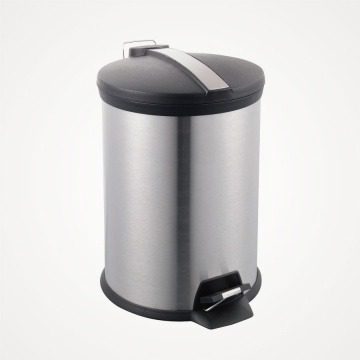
Chromium stands out in industrial design for both functional and aesthetic reasons. Its high reflectivity polishes a surface to an almost mirror-like finish, creating a strong visual impact in products seeking a modern, technological look. It is also easy to clean, relatively resistant to stains and fingerprints, and does not rust in humid environments, making it a standard choice for bathroom, kitchen and sanitary products. In post-Bauhaus modernist design, bright metal surfaces became synonymous with the aesthetic language of simplicity and mass production; chrome-plated tubular steel furniture became the symbol of this approach. That said, chrome plating is a surface treatment: if an impact or a deep scratch damages the plating, the metal underneath can be exposed, so the quality of the intermediate layers beneath the plating directly affects the product’s lifespan.
http://www.koyunoglu.com.tr/krom-nedir.html
https://www.nkfu.com/krom-nedir-krom-elementinin-ozellikleri/