Copper
Copper, one of the first metal materials used by humanity along with bronze, is an element found in transition group 1B of the periodic table. Because it is easy to find in nature (in almost every region of the world), it can be produced on a large scale. Its most important material property is its high electrical and thermal conductivity (it is the best electrical conductor of all metals after silver). Thanks to its ease of forming, corrosion resistance, non-toxic nature and ability to form alloys such as brass and bronze, copper has always been at the forefront as an industrial material. It is available on the market as wire, sheet, tube and various other forms.
What are copper’s basic material properties?
Copper’s value in design and engineering comes from the combination of several properties. The metal, whose chemical symbol is Cu, is the only metal apart from gold that appears colored, with its distinctive reddish orange hue. It is soft and ductile, meaning it can stretch and deform considerably before breaking. This allows it to be drawn into wire and rolled into sheet even when cold. Its melting point is around 1085 °C, and it is well suited to casting.
Perhaps the most striking aspect of copper is its conductivity. It is the best conductor of both heat and electricity among metals after silver, but because it is far more economical than silver, it is the standard choice in practice wherever conductivity is required. It is also non-magnetic, easy to solder and weld, and almost infinitely recyclable; copper can be melted down and reused many times without losing its properties.
How does copper behave against corrosion?
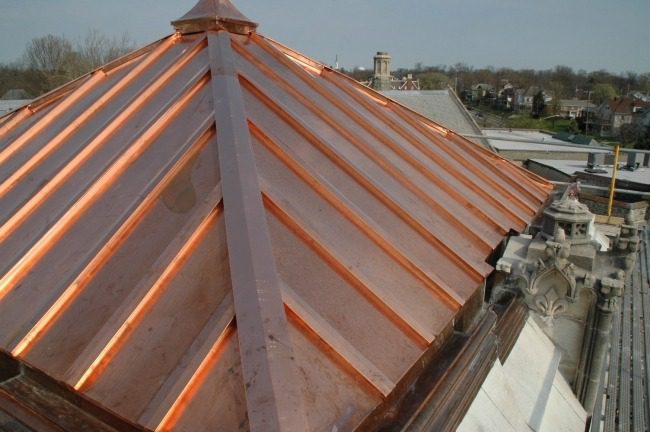
Copper does not rust the way iron does. When left in open air, its surface first develops a dark brown oxide layer, and over a long period a greenish patina. Although this layer may look porous, it clings tightly to the metal underneath and protects it by slowing corrosion. This is why copper roofs and facades can last for decades, even centuries; the green tone they acquire over time is a look deliberately chosen for many historic buildings.
Copper is relatively sensitive to acids and ammonia, but resistant to fresh water, seawater and the atmosphere. Its antimicrobial nature is another important property: many bacteria that come into contact with copper surfaces lose their viability. For this reason, copper and copper alloys are used for hygiene purposes on hospital door handles, railings and other frequently touched surfaces.
Which alloys are based on copper?
Much of copper’s prevalence in industry comes from its ability to form alloys. The two best-known copper alloys are brass and bronze. Brass is obtained by adding zinc to copper; it is a more yellow material that is easy to machine and cast, used in a wide range of applications from musical instruments to faucet fittings. Bronze is based on copper and tin; because it is harder and resistant to wear and seawater, it is preferred for bearings, sculptures and marine components. Beyond these, copper also alloys with elements such as nickel, aluminum and beryllium to gain special strength and corrosion resistance.
Where is copper used in design and industry?
Areas of use:
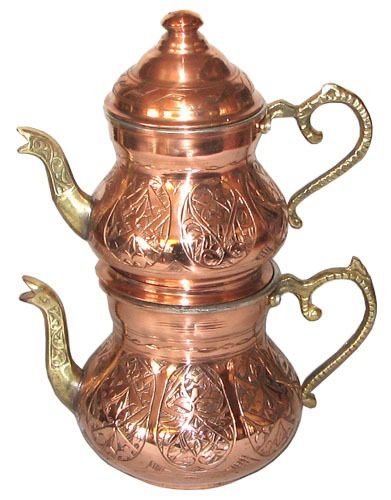
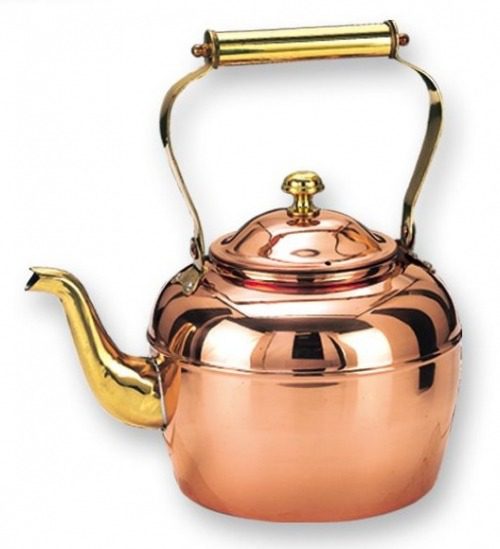
Pots and pans
Decorative products / Gift items
Heating and cooling systems
Electrical cables
Roof cladding
Each of these uses relies on a specific property of copper. In electrical cables and electronic circuits, its high conductivity stands out; in heating and cooling pipes and radiators, both its thermal conductivity and ease of working; in roof and facade cladding, the protection of the patina and its long life. In cookware, copper is still valued in professional kitchens because it distributes heat quickly and evenly; however, the inner surface in contact with food is usually lined with tin, since bare copper can react undesirably with acidic foods. In decorative objects, its reddish color and the patina it acquires over time make copper both a warm and a living material for designers.