

THE MAN WHO CAN DESIGN ANYTHING
Karim Rashid is an industrial designer who draws attention with his distinctive style. He has never confined himself to any one subject: he has put his signature on remarkably varied work, from hotels to trash cans, from clothing to websites and electronic goods. Being different is his greatest passion. People seeing his work for the first time usually turn around and look again; he is a designer with intriguing and unconventional approaches.
The designer, of Egyptian origin, completed his undergraduate education in Canada and his graduate studies in Italy, then went to New York to open his own studio. Rashid, who has been designing there for many years, has a book called “I Want To Change The World”. Karim Rashid is one of the rare industrial designers who knows how to market his products and how to capture people’s attention.
What is Karim Rashid’s design language like?
Rashid’s style is striking for being recognizable at first glance. While many other designers prefer plain and dark tones, he turns to vivid colors such as white, pink and purple. The intense color and busyness in his designs can also be read as a flaw by some observers; the excess in his color choices can be jarring in products outside cosmetics. Moreover, since his insistence on being different from everyone else sometimes goes too far, his own products, however different from others, can come to resemble one another over time.
Those criticisms aside, the core principle guiding Rashid’s formal language is clear: fluid, curvilinear and organic forms instead of angular, rigid and mechanical lines. In the language of design these soft shapes are called amorphous; they are forms without distinct corners, made up of continuous, flowing surfaces. Since modern production methods such as plastic injection molding make it possible to mass-produce such forms, Rashid turned this capability into a signature.
The designer, who has stated that he has no taste for history and traditional molds, also keeps his distance from taboos and rigid conventions. This attitude allows him to position his work as a counter-stance: rather than emulating the past, he tries to shape the present and the future.
His democratic design philosophy
Rashid frequently argues that design should reach everyone. Rather than an expensive, exclusive object, he cares about turning even a trash can bought at the supermarket into an aesthetic product. This is an approach known as “democratic design”: the idea that good design can be applied not only to luxury products but also to everyday, affordable objects. His making ordinary objects such as trash cans, soap dispensers or tables attractive is a concrete example of this philosophy.
His works:
The brands the designer has worked with, holder of numerous designs and awards, include names such as Umbra, Issey Miyake, Prada, Nambé, Magis, Mikasa, Edra, Frighetto, Herman Miller, Foscarini, Artemide, Idée, Bozart, Shiseido, Giorgio Armani, Leonardo, Zerodisegno, Copco, Method and Guzzini. This list alone shows the breadth of his field: sectors as different from one another as a cosmetics brand’s packaging, a lighting company’s product line, a furniture manufacturer and a technology company. His Morphescape collection of tableware featuring Istanbul views has also attracted attention.
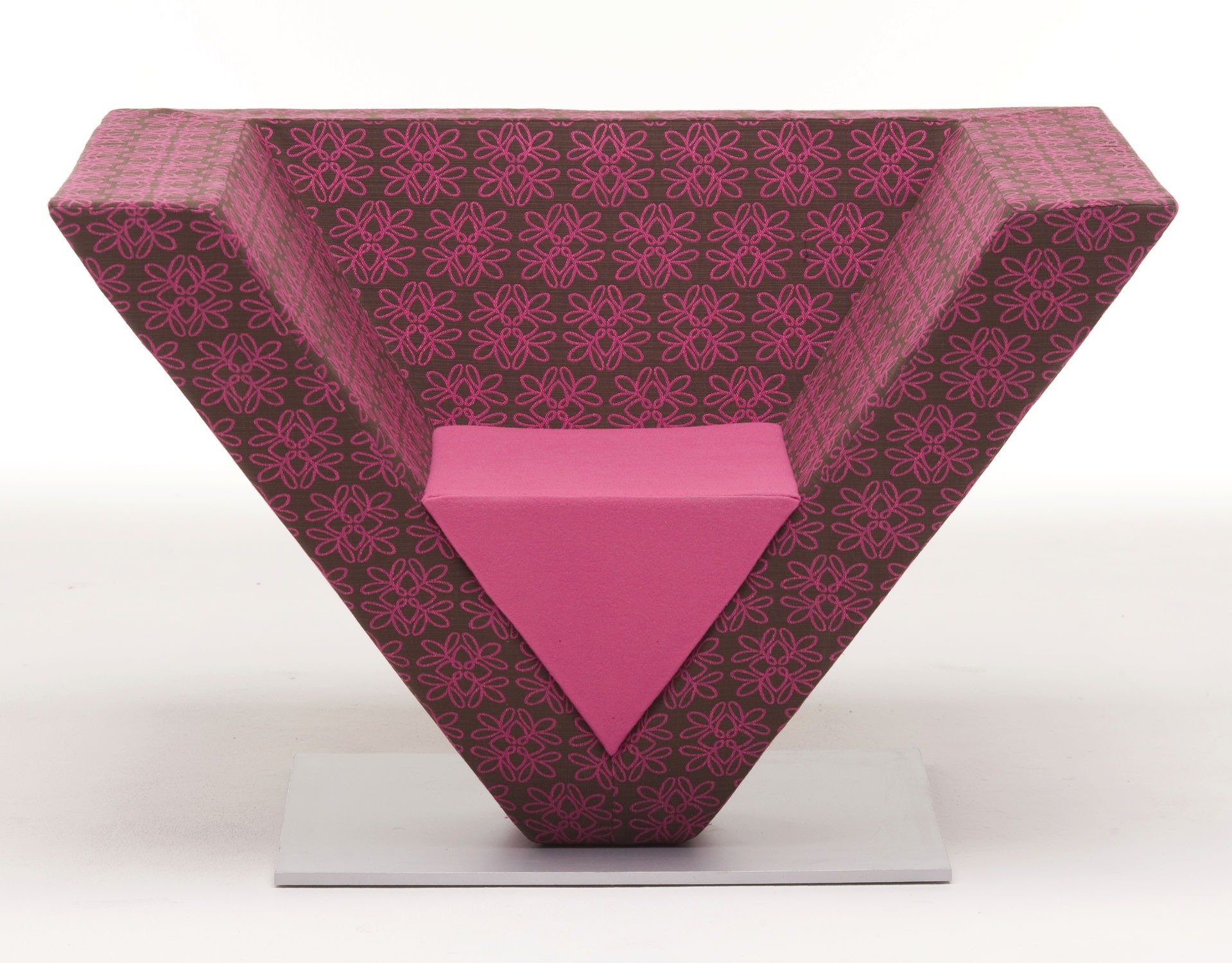

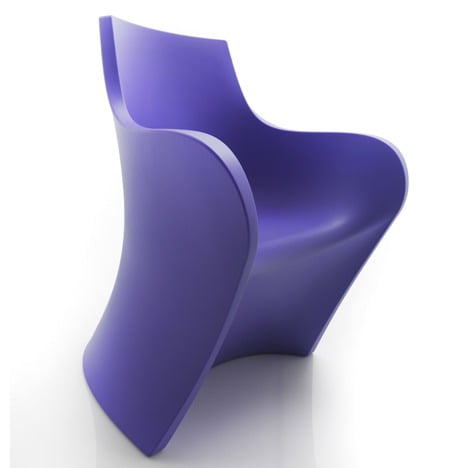
From product design to interiors
Although generally known for his amorphous plastic designs, Rashid later turned to interior design as well. This transition shows that his approach to form was never limited to individual objects: when the same fluid, colorful language is carried into the entire space of a restaurant or hotel, it becomes a far more immersive experience. The way the formal logic you feel when holding one of his products continues in a space you walk through is a good example of how a consistent designer’s signature scales. His interior work has further extended the reputation he earned as a product designer.