What Does Design Mean?
As design has grown steadily in importance and everyone has begun to pay attention to it, the number of people asking what design is and what benefits it brings has also grown. Design is the appearance formed by the different elements or features of a product, in whole or in part, that affect and can be perceived by the human senses, such as shape, line, color, texture, form, the ornamentation of the material and its flexibility. The creation of engineering and architectural drawings during the construction process of an object or plan is also called design. Usable both as a noun and as a verb, designing describes the process of planning and developing a new product or object. Design, which can mean the drawn form of the basic parts of a structure or device on paper, has a structure of its own and a plan behind that structure.
At the foundation of every art lies the phenomenon of design. The act of designing encompasses every kind of activity in the organizational stage of the structure to be created. Design, a good plan or idea developed to solve a problem, is first an idea that exists in the mind. But the idea in the mind also contains the dynamic of giving form. Through the process of creation, it is made concrete as an object that takes shape.
In every act of design there is an idea and an object shaped according to that idea. The concept of design is used to mean the creation of all objects and thoughts by human beings. Design, which varies among different groups in different times and places depending on the structure of the cultural group they belong to, depends on what cultures call art or design, the traditions by which they are defined, and the social structures of that culture.
Designing, which is oriented toward the future and toward a purpose, solving problems or generating decisions, includes within the design process all acts of planning and shaping directed at the desired goal.
It is an important factor in bringing a product into being. The design stage of products develops in people’s minds and then gains objective reality. The product or work acquires objectivity only after passing through the design stage.
Design is also a phenomenon that overlaps with the act of creation. Creation generally means people adding their own inner, spiritual being to what they find ready-made in existence. The resulting works may be tied to literature, to handcraft or to industrial products. They can also be created by transferring feelings and thoughts into the sensory world.
Creativity forms the foundation of design. Approaching a subject from different and unusual points of view and making new propositions becomes possible through design. Within design there are individual freedoms. The ability to perceive and convey life comes from re-synthesizing existing knowledge and experience.
The drawing made by planning any visible object is called design. Everything can be designed. Furniture, houses, computers, water bottles, glasses, cola bottles and every similar example can be designed.
Design divides into three different branches. Industrial design is concerned with the design and development of three-dimensional objects. Vehicles, tools, machines, kitchenware and many other products are possible through industrial design.
In environmental design, landscape, building and interior designs are produced. Through these, functional, durable and aesthetic designs are made. In graphic design, images that are read or viewed are designed. Graphic design, which reflects a very wide field of work, can design many things such as books, posters, and warning and information signs.
In a global competitive environment where borders have disappeared, organizations that want to stand out in the race against other firms operating in their sector, respond fully to their customers’ expectations and raise satisfaction to the highest level cannot do without design.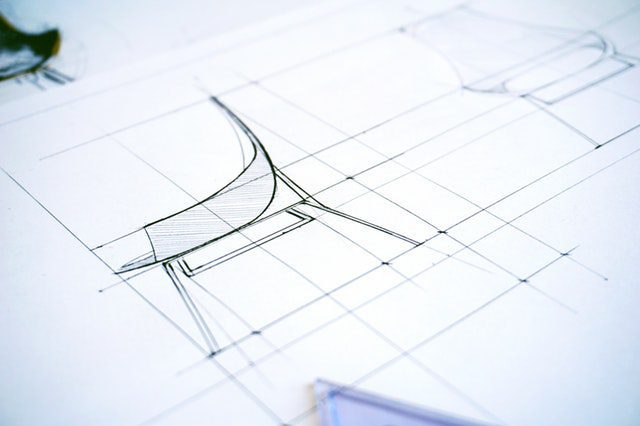
Defining the Designer
The person who creates works of art is called an artist. The person who creates an industrial or technical product is called a designer. As the importance of design grows, so do the questions about who a designer is. Firms that want to stand out in global competition are looking for the best designers.
The artist and the designer are not exactly the same. An artist is completely free when creating something. But the designer of a product to be released to the market is not free in the same way. Designers must carry out their creative work under the conditions the manufacturer demands of them.
While conveying a specific message to a defined audience, the designer encounters physical, financial or psychological constraints. To give an example, in a poster design, the use of only two colors may be requested for economic reasons.
Design is a creative act carried out for a specific purpose. In line with that purpose, the designer brings the product into being by conveying different factors and lines through thought, feeling and imagination. The designer’s success depends on discovering and learning the languages art uses, and organizing that knowledge toward their own goals.
Design Education
People asking what education a designer receives want to get the best education available. Design education enables individuals to acquire the knowledge and skills needed in the art field they have chosen. In this way, they gain experience in the relevant field so that new and original designs can be produced.
Design, in every dimension, rests on a foundation of learning and acquiring knowledge. Accordingly, there is no end to learning and acquiring knowledge in design education. A designer must constantly research and develop themselves. With the education they receive, designers combine their own ideas and abilities with their creative qualities to produce unique products.
Design education focuses on theory, technique and practical application relevant to the professional field in question. Students are given the skills to create original and creative designs. The best education required by developing technology is provided.