Iron
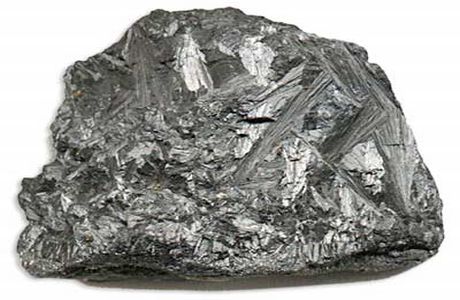
Iron is fundamentally a chemical element (found in group VIII B of the periodic table), but it rarely occurs in its elemental (free) state in nature. The free iron masses encountered in nature come from meteorites. It is the second most abundant metal in the Earth’s crust after aluminum, making up 5 percent of the crust. The Earth’s core is believed to consist mainly of iron. Iron metal is extracted from ores, which requires removing the impurities in the ore through chemical reduction. Iron is the most widely used of all metals, accounting for 95 percent by weight of all metals produced worldwide.
Rusting and protection
Iron is structurally and chemically stable in dry air, but it oxidizes easily in humid air. Oxidation forms a layer of rust on the iron. To prevent rusting, iron is either coated with metals unaffected by air, such as chromium, nickel and zinc, or with enamel, or it is painted. Commercial iron contains elements such as carbon, phosphorus, silicon, sulfur and manganese.
Forms of iron
Common forms:
Steel
Pig iron
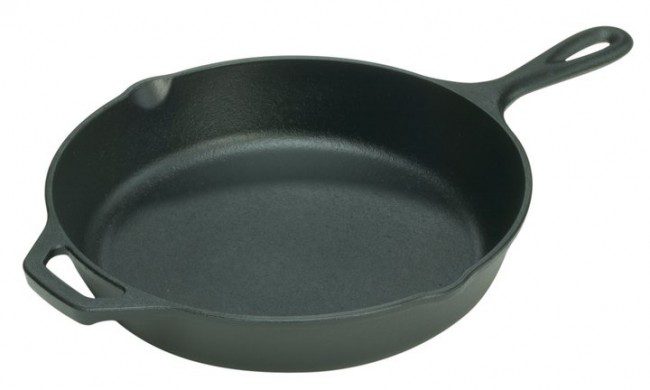
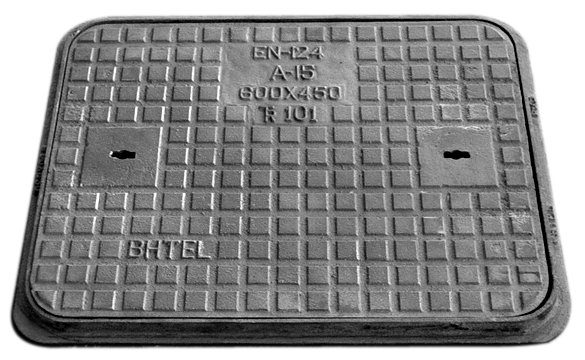
Cast iron
Carbon steel
Malleable cast iron
Alloy steel
Iron is available on the market as sheet, profile, beam, bar and various other shapes. In Turkey it is produced by medium and large companies and shipped to metalworking shops and facilities as semi-finished, pre-formed stock. The material is generally inexpensive, but its strength in pure form is not particularly high; for this reason, carbon and other alloying materials are added to increase its strength and make it more useful for engineering applications.
Where iron is used
Areas of use:
Building and construction
Shipbuilding
Automotive
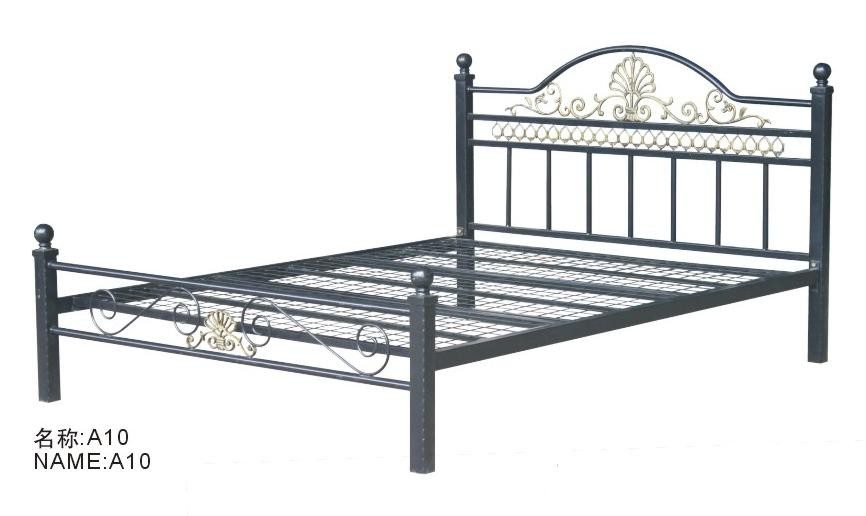
Furniture
Source: https://www.nkfu.com/demir-nedir-demir-elementinin-ozellikleri/